Le chemin de Compostelle : une histoire millénaire
Itineraries Conseillés9 Jours
Pamplona, Espagne
Pamplona›Burgos›Leon›Ponferrada›Lugo›Santiago de Compostela
Itinéraire
Jour 1 — Pamplona
Capital of Navarre, Pamplona is a lively and welcoming city, famed worldwide for the Festival of San Fermín, when each July the encierro, the running of the bulls through the streets of the old town, turns the city into a burst of colour and emotion, immortalised in the pages of Ernest Hemingway. Beyond the festival, Pamplona has an intimate charm: its medieval core guards the Catedral de Santa María la Real, with its elegant Gothic cloister, and the mighty walls that encircle the city. The Plaza del Castillo, ringed by historic cafés, is the city's living room. A stage on the Camino de Santiago, Pamplona blends tradition, fine Basque-Navarrese cuisine and human warmth, inviting you to discover the authentic heart of northern Spain.
Voiture
Jour 2 — Pamplona → Burgos
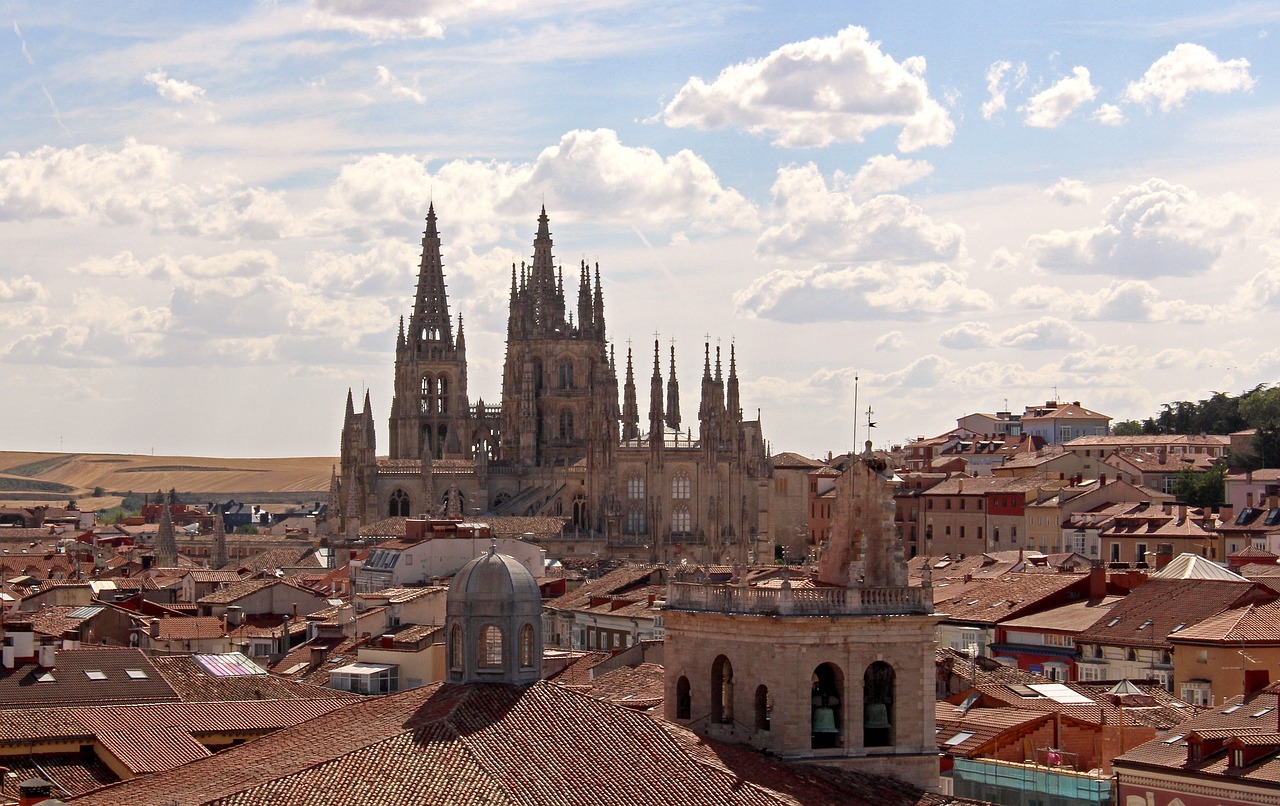
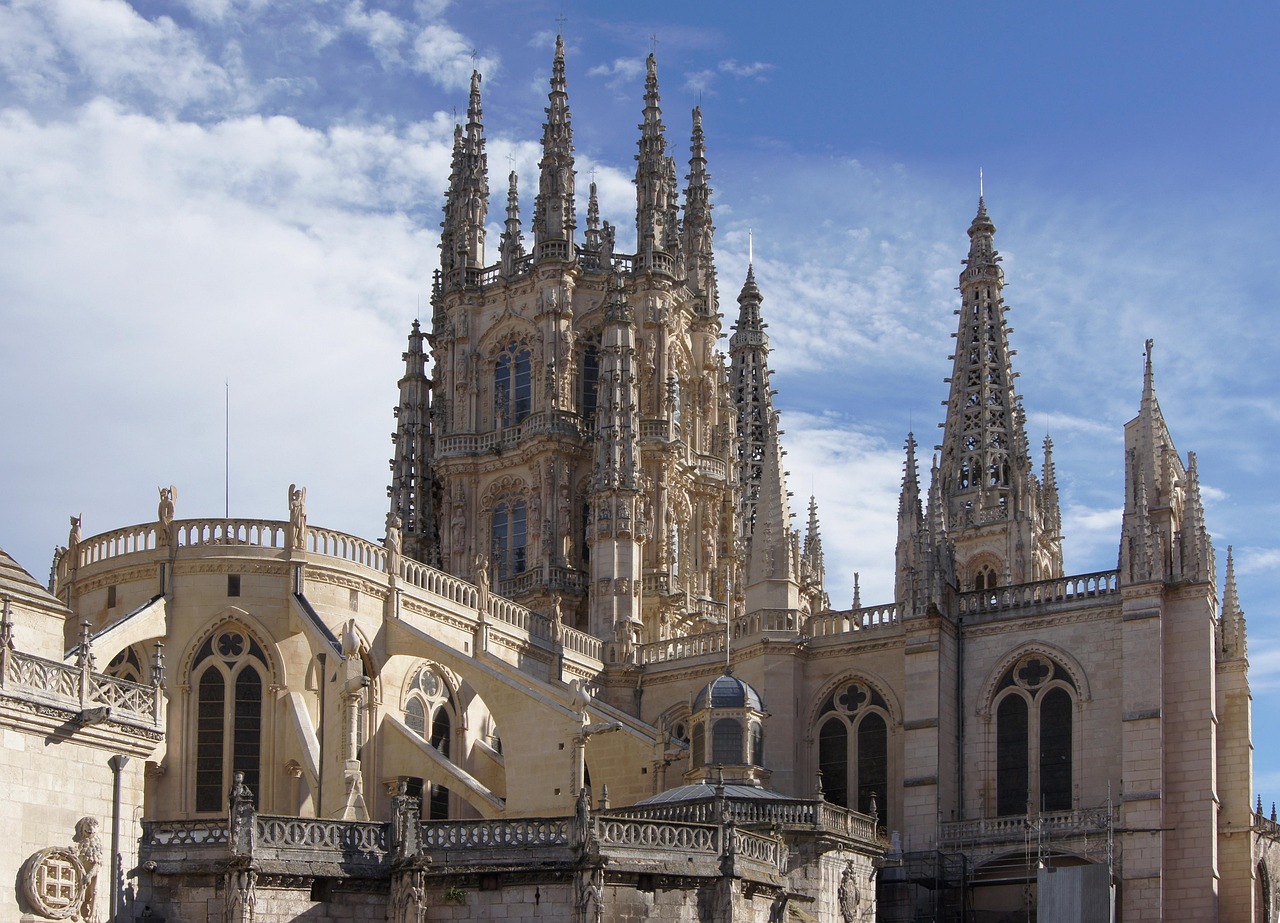
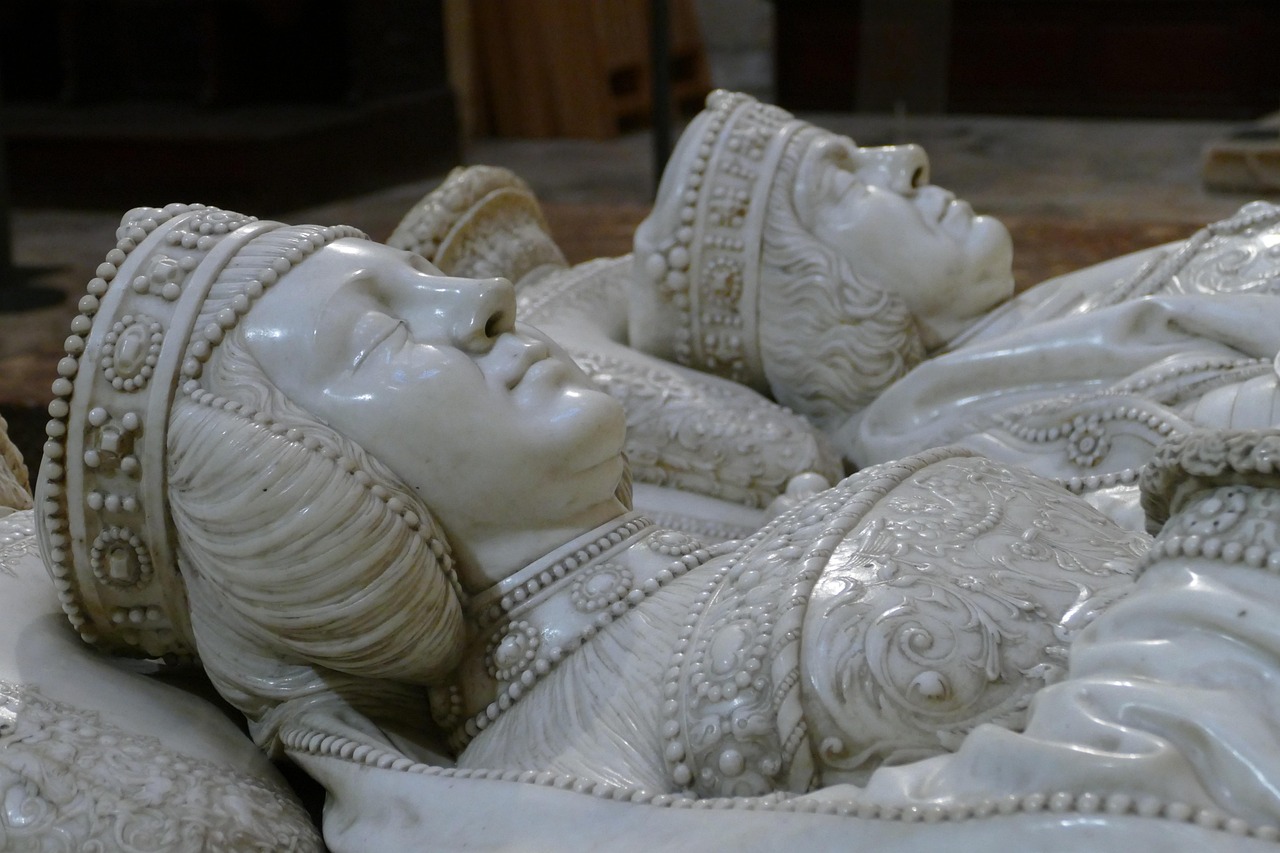
Gothic spires and ancient Castilian stone mirror themselves in the Arlanzón at Burgos, a noble city of Castile and León, a former capital and a key stage on the Camino de Santiago. Its emblem is the magnificent Catedral de Santa María, a masterpiece of Spanish Gothic and a UNESCO World Heritage Site, which guards the tomb of the national hero El Cid Campeador. From the monumental centre, passing beneath the Arco de Santa María, one reaches the Plaza Mayor and the tree-lined avenues along the river. Just outside town stand the Monastery of Las Huelgas and the Cartuja de Miraflores, treasures of Gothic art. Renowned for its gastronomy, from morcilla to roast lamb, Burgos invites you to discover authentic Spain, amid history, faith and flavours.
Voiture
Jour 4 — Burgos → Leon
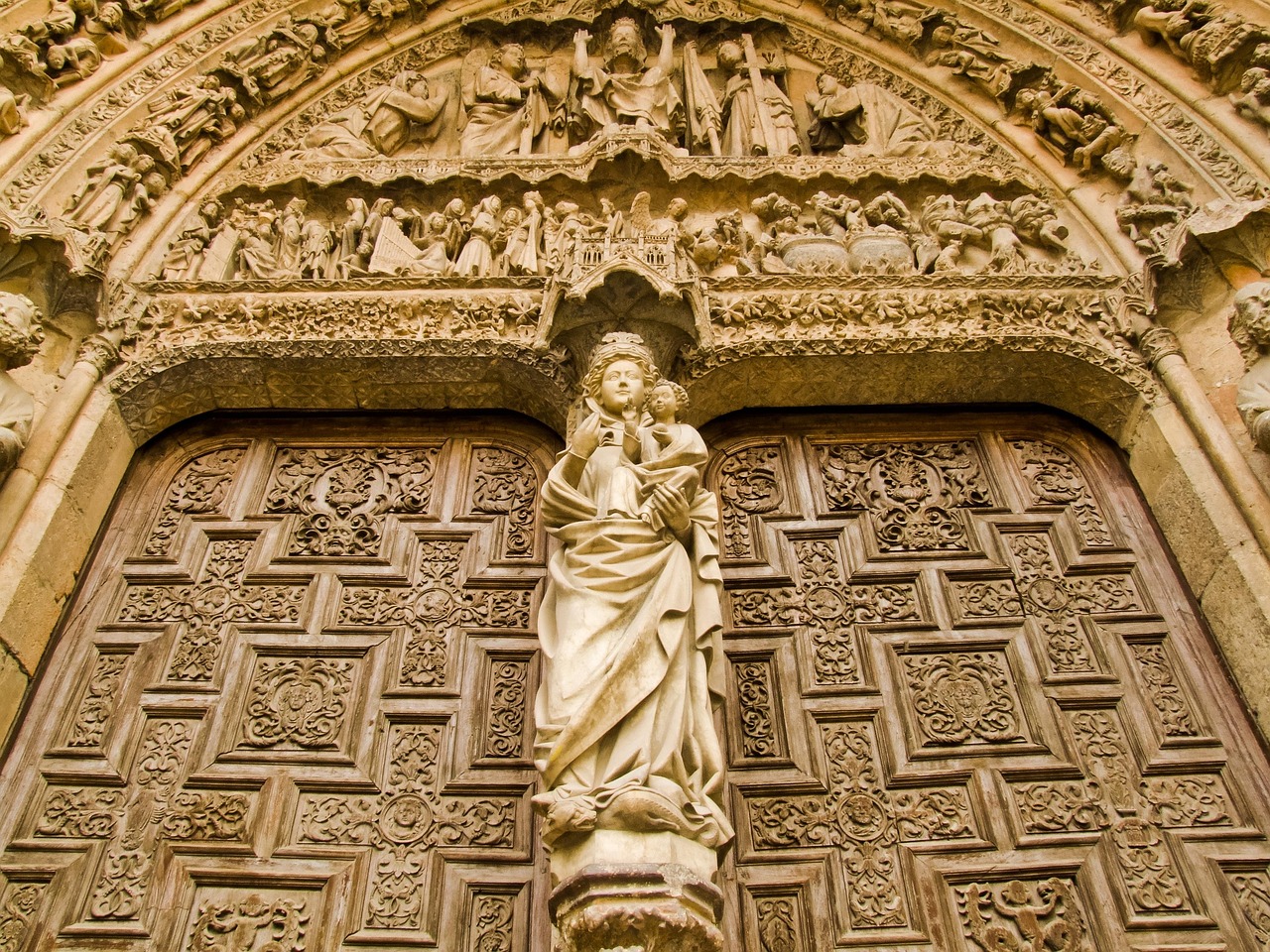
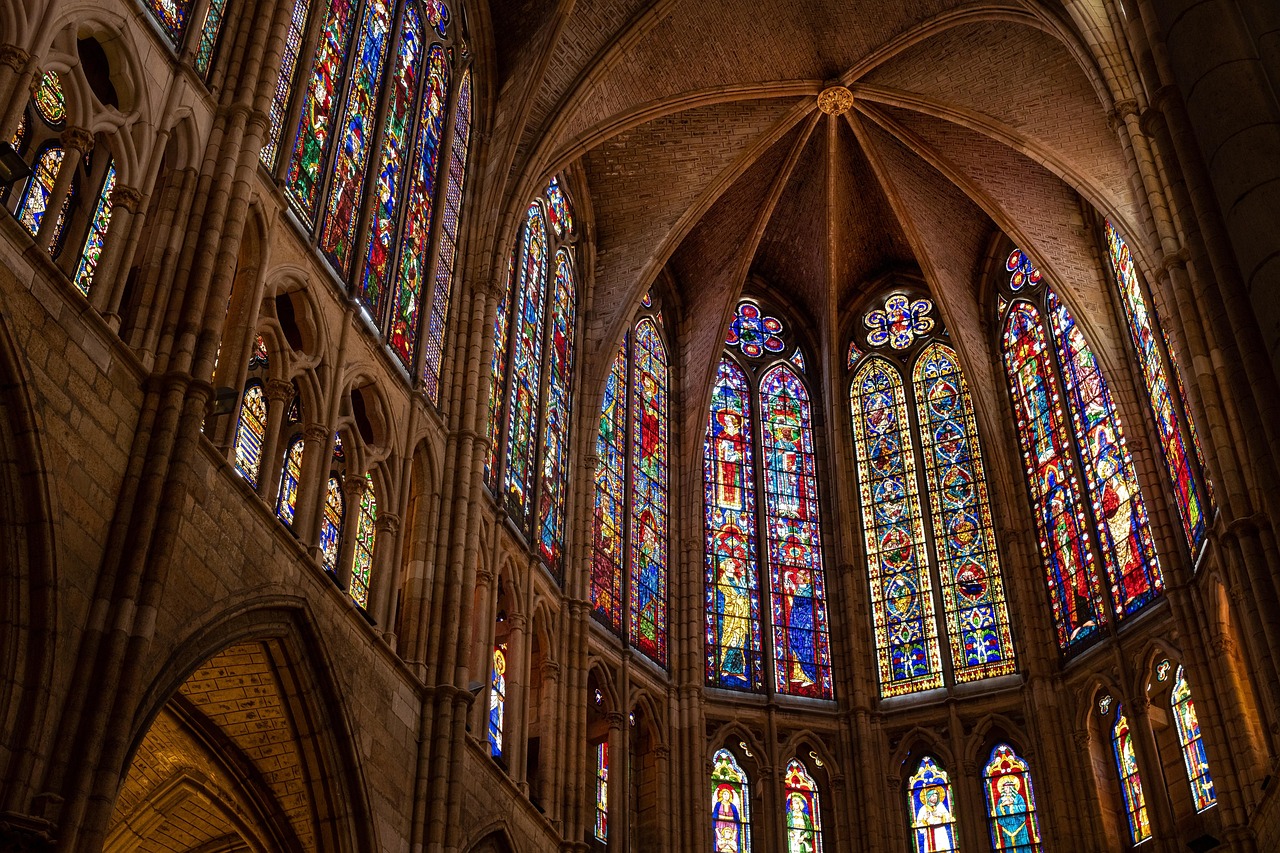
León se trouve le long du Chemin de Saint-Jacques, au cœur de la Castille-et-León, et c’est une ville élégante qui conserve l’un des plus extraordinaires patrimoines gothiques d’Espagne. Son symbole est la majestueuse cathédrale Santa María, chef-d’œuvre du gothique avec ses célèbres vitraux médiévaux, une étendue de lumière et de couleur parmi les plus admirées d’Europe. Non loin de là s’élève la collégiale royale de San Isidoro, avec son Panthéon royal aux fresques, surnommé la Chapelle Sixtine de l’art roman. Parmi les architectures modernistes se distingue la Casa Botines, œuvre d’Antoni Gaudí. Les rues du Barrio Húmedo invitent à la soirée, entre bars à tapas et ambiance animée. Étape précieuse sur le Chemin, León conjugue art, histoire et accueil dans une expérience authentique.
Voiture
Jour 5 — Leon → Ponferrada
A peaceful town in the valleys of the Bierzo, along the Camino de Santiago, Ponferrada is a city in Castile and León dominated by the mighty Castillo de los Templarios, a medieval fortress raised by the Knights Templar to guard pilgrims bound for Compostela. The old town holds cobbled lanes, the Basílica de la Encina and views over the river Sil. Surrounded by vineyards and the valleys of El Bierzo, a land of robust wines and verdant landscapes, Ponferrada invites you to pause amid history, faith and authentic flavours.
Voiture
Jour 6 — Ponferrada → Lugo
Lugo rises in the green heart of Galicia with its deep Roman roots, renowned for its extraordinary walls, the only ones in the world to preserve their entire Roman circuit and, for this reason, a UNESCO World Heritage Site. Stretching over two kilometres and walkable along their parapet path, the walls embrace a lively historic centre dominated by the Catedral de Santa María and animated by squares and taverns. Founded as Lucus Augusti, the city also holds remains of Roman baths and mosaics, while its culinary tradition of octopus and Ribeira Sacra wines makes it a flavourful stop along the Camino Primitivo. To walk its walls at sunset is to cross two thousand years of history in a single glance.
Voiture
Jour 7 — Lugo → Santiago de Compostela
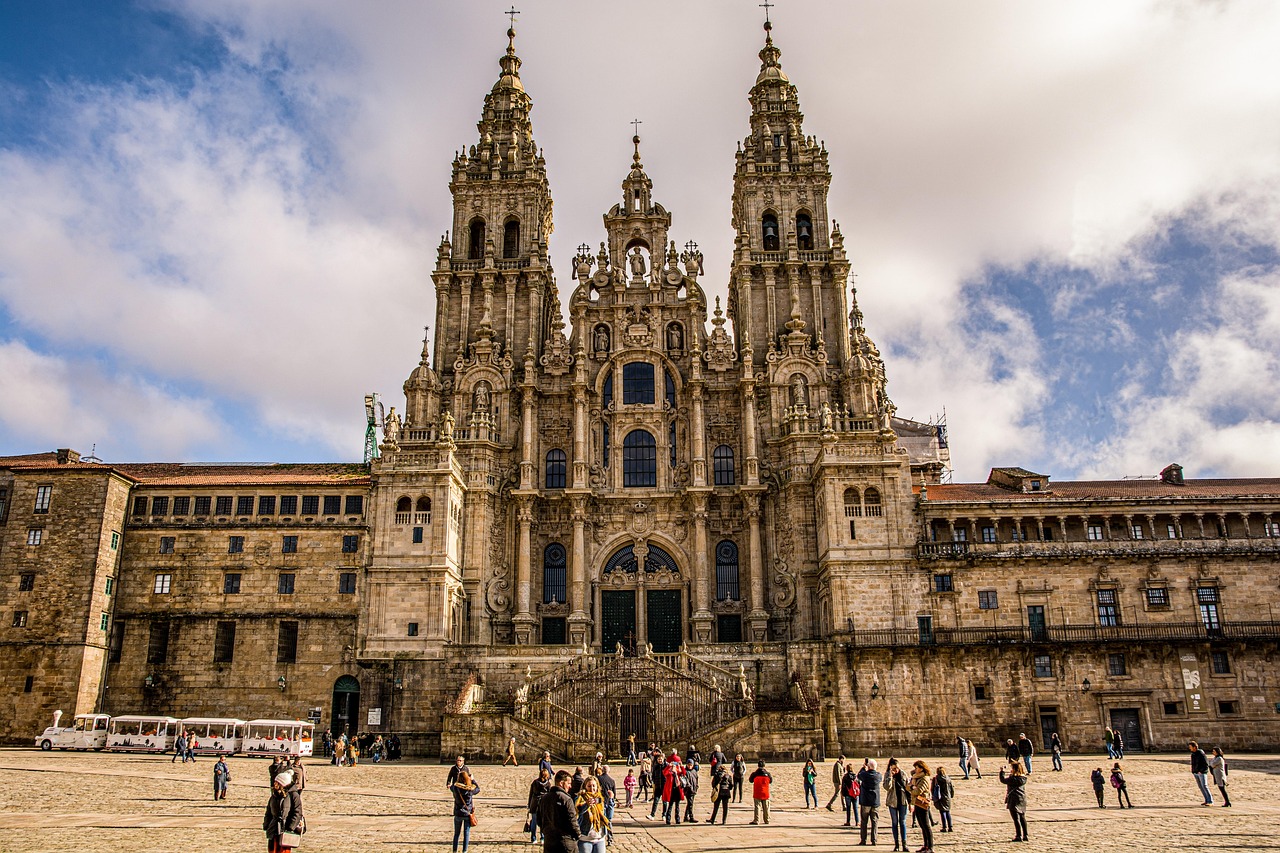
Capitale de la Galice, Saint-Jacques-de-Compostelle est l’une des villes saintes les plus importantes d’Europe, étape finale du chemin de Saint-Jacques parcouru depuis des siècles par des pèlerins venus de partout. Son magnifique centre historique, classé au patrimoine de l’UNESCO, est un entrelacs de ruelles pavées, d’arcades et de places en granit, souvent luisantes de pluie. Son cœur battant est la majestueuse cathédrale, chef-d’œuvre roman doté de la somptueuse façade baroque de l’Obradoiro, qui abriterait selon la tradition les reliques de l’apôtre Jacques. Tout autour s’ouvrent des places solennelles comme la Praza do Obradoiro et la Praza da Quintana, entre couvents, palais et l’ancienne université. Ses rues animées invitent à découvrir la cuisine galicienne, du poulpe « a feira » aux vins Albariño, le tout porté par l’atmosphère vibrante d’une ville jeune et cosmopolite. Entre spiritualité, histoire et chaleur galicienne, Saint-Jacques accueille quiconque y parvient comme au terme d’un voyage.