La Voie de l'Argent : de l'Andalousie aux Asturies
Itineraries Conseillés11 Jours
Séville, Espagne
Séville›Merida›Caceres›Salamanca›Leon›Oviedo
La Voie de l'Argent : de l'Andalousie aux Asturies — NAAR
Itinéraire
Jour 1 — Séville
Founded by the Romans and later shaped by centuries of Moorish rule, Seville is the pulsing heart of Andalusia, a city of golden light where Baroque splendour and the passion of flamenco blend into an unmistakable atmosphere. Its warm climate invites you to explore on foot, among flower-filled patios, the scent of orange blossom and squares lively late into the night. The monumental heart is the majestic Catedral de Sevilla, the largest Gothic cathedral in the world, a UNESCO World Heritage Site together with the Giralda bell tower, a former minaret offering sweeping views over the city. Beside it rises the Real Alcázar, a royal palace of sumptuous Mudéjar courtyards and lush gardens, while nearby the Archivo de Indias preserves the memory of the New World. From here the whitewashed lanes of the Barrio de Santa Cruz, the old Jewish quarter, weave into a maze of shady streets, flowered balconies and hidden squares. Along the river stands the Torre del Oro, while the magnificent Plaza de España, with its sweep of brick and ceramics, is one of Spain's most spectacular settings, overlooking the broad Parque de María Luisa. The Triana district, on the far bank of the Guadalquivir, is the cradle of flamenco and traditional ceramics, with its lively market and riverside terraces. In the evening the city comes alive in its tapas bars, where you can savour jamón ibérico, pescaíto frito and chilled fino. The heart of Holy Week and the Feria de Abril, Seville enchants with its Mediterranean energy, among art, history and the unmistakable Andalusian duende, an invitation to surrender to its timeless charm.
Voiture
Jour 3 — Séville → Merida
Capital of Extremadura, Mérida holds one of the richest collections of Roman archaeology in Spain, designated a UNESCO World Heritage Site. Founded as Emerita Augusta, it preserves extraordinary monuments that bear witness to its glorious past: the majestic Roman Theatre, still a venue for performances today, the adjacent Amphitheatre, the long Roman Bridge over the Guadiana River and the remains of the Circus and aqueducts. The modern Museo Nacional de Arte Romano gathers mosaics and sculptures of great value. Among millennia-old ruins and the peaceful atmosphere of a human-scale city, Mérida invites you on a journey back in time, to the heart of ancient Rome.
Voiture
Jour 4 — Merida → Caceres
A picturesque treasure of Extremadura, Cáceres preserves one of Europe's best-kept medieval and Renaissance old towns, a UNESCO World Heritage Site. Enclosed within walls of Roman and Moorish origin, the Ciudad Monumental is a web of silent lanes, noble palaces, battlemented towers and churches that conjure the atmosphere of centuries past intact. The heart of the city is the Plaza de Santa María, dominated by the co-cathedral and ringed by aristocratic residences such as the Palacio de Carvajal and the Palacio de los Golfines de Abajo. Among arches, coats of arms and stork nests perched on the towers, every corner tells of the power of ancient lineages. The local cuisine, rich in Iberian cured meats, cheeses and truffles, completes the experience. Cáceres reveals itself on a stroll at dusk, when the golden stone of its palaces glows with a light suspended in time.
Voiture
Jour 6 — Caceres → Salamanca
Founded in Roman times and grown around one of Europe's oldest universities, Salamanca owes its nickname of the "golden city" to its sandstone that glows with warm light at sunset. Its historic centre, a UNESCO World Heritage Site, revolves around the spectacular Baroque Plaza Mayor, considered one of the most beautiful in Spain. From here the lanes lead to the two adjoining cathedrals, the Romanesque Vieja and the late-Gothic Nueva, and to the famous Universidad de Salamanca, one of the oldest in Europe, on whose Plateresque façade visitors search for the carved good-luck frog. Among its monuments stand out the Casa de las Conchas and the Convento de San Esteban. A lively, learned university city, it comes alive with students from around the world. Between golden stone, ancient learning and youthful energy, Salamanca invites you to discover it step by step.
Voiture
Jour 8 — Salamanca → Leon
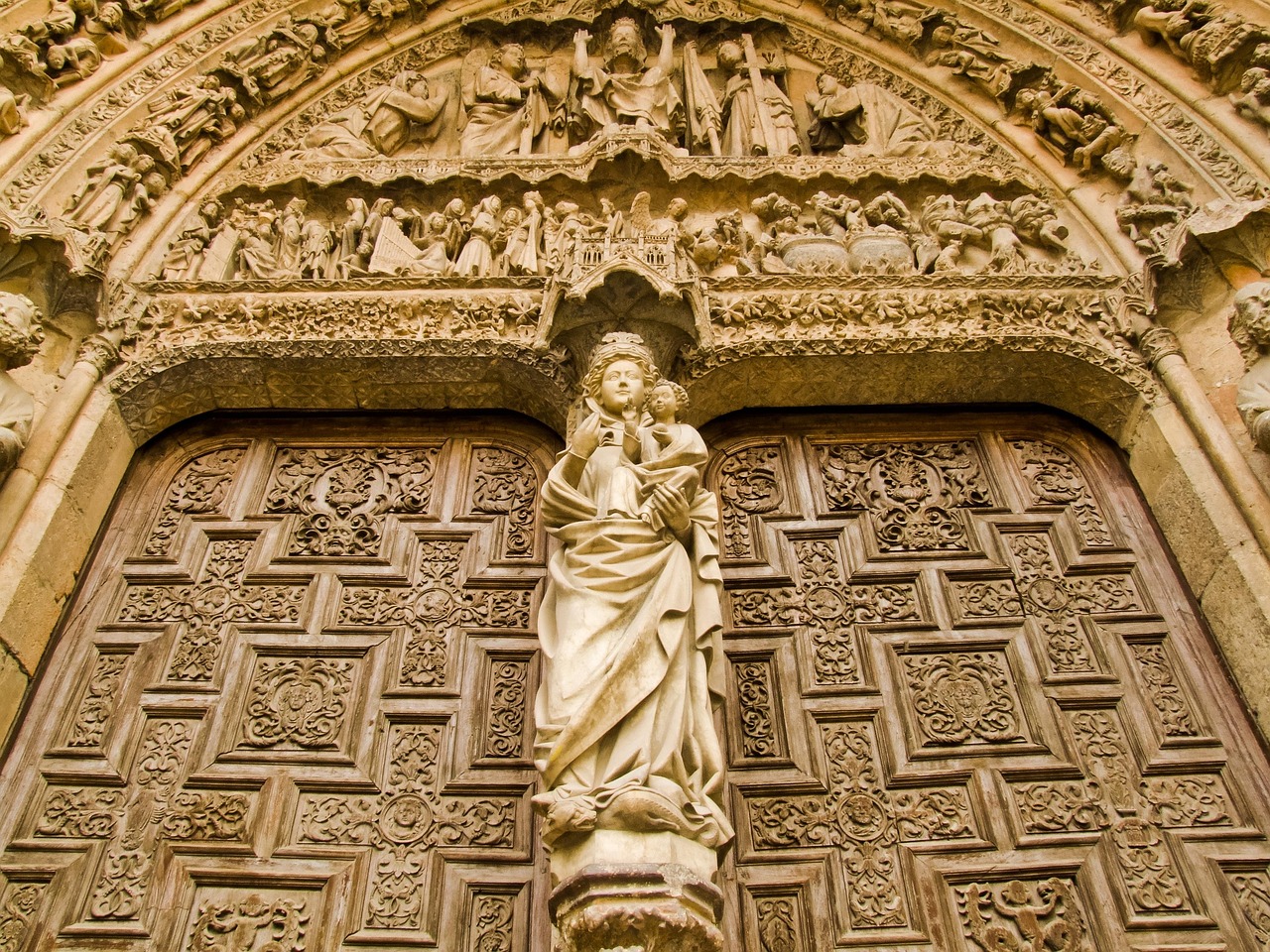
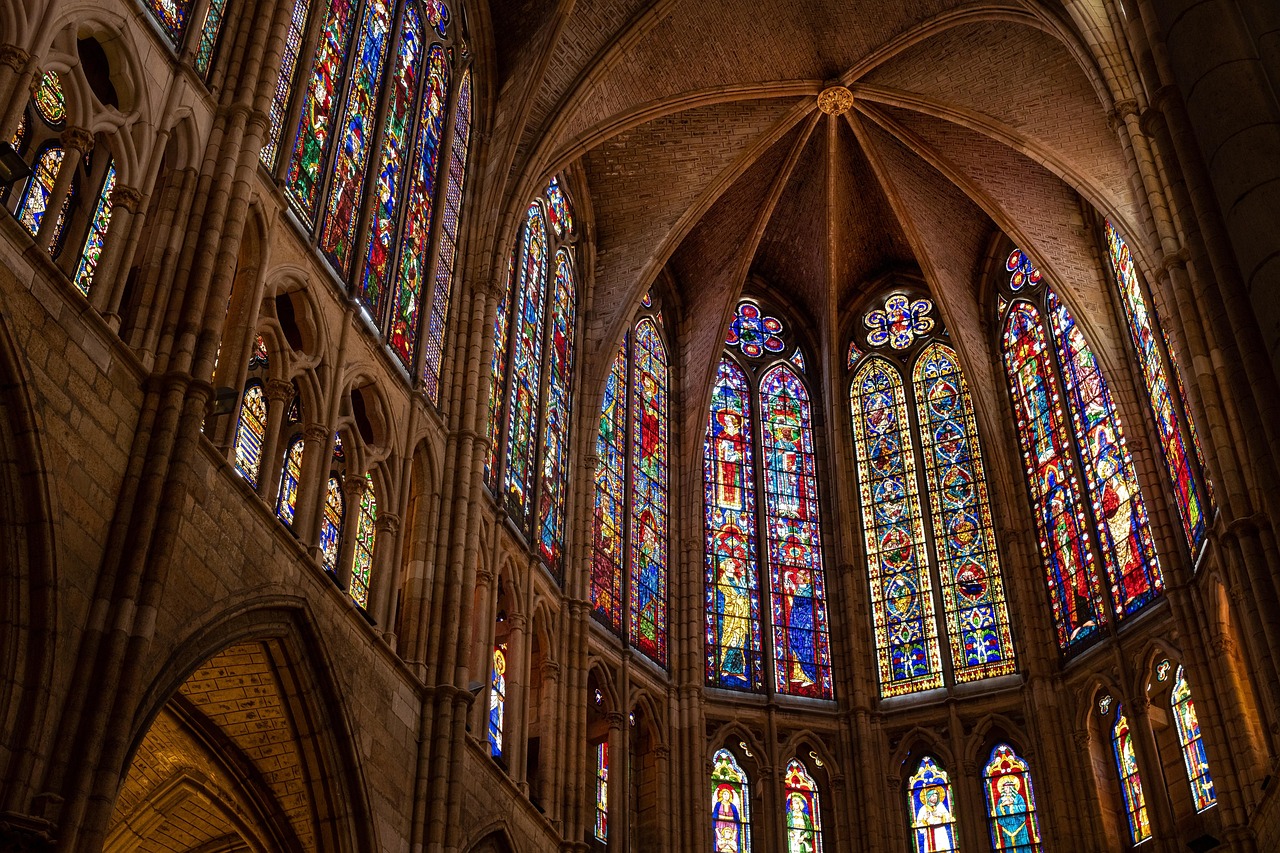
León se trouve le long du Chemin de Saint-Jacques, au cœur de la Castille-et-León, et c’est une ville élégante qui conserve l’un des plus extraordinaires patrimoines gothiques d’Espagne. Son symbole est la majestueuse cathédrale Santa María, chef-d’œuvre du gothique avec ses célèbres vitraux médiévaux, une étendue de lumière et de couleur parmi les plus admirées d’Europe. Non loin de là s’élève la collégiale royale de San Isidoro, avec son Panthéon royal aux fresques, surnommé la Chapelle Sixtine de l’art roman. Parmi les architectures modernistes se distingue la Casa Botines, œuvre d’Antoni Gaudí. Les rues du Barrio Húmedo invitent à la soirée, entre bars à tapas et ambiance animée. Étape précieuse sur le Chemin, León conjugue art, histoire et accueil dans une expérience authentique.
Voiture
Jour 9 — Leon → Oviedo
Capital of Asturias, in Spain's green north, Oviedo is an elegant and intimate city where pre-Romanesque history coexists with a lively, refined centre. Its jewel is the 9th-century Asturian architecture, a UNESCO World Heritage Site: on the nearby Monte Naranco rise the churches of Santa María del Naranco and San Miguel de Lillo, while in the city stand San Julián de los Prados and the Cámara Santa housed within the majestic Gothic Catedral de San Salvador, the city's spiritual heart. The historic centre is a weave of pedestrian streets, squares and mansions, enlivened by sidrerías where you can taste the famous Asturian cider poured from a great height. Oviedo is also the starting point of the Camino Primitivo to Santiago and a gateway to the mountain and coastal landscapes of Asturias. Between ancient art, gastronomy and a genteel atmosphere, Oviedo invites you to discover the authentic soul of the Spanish north.